
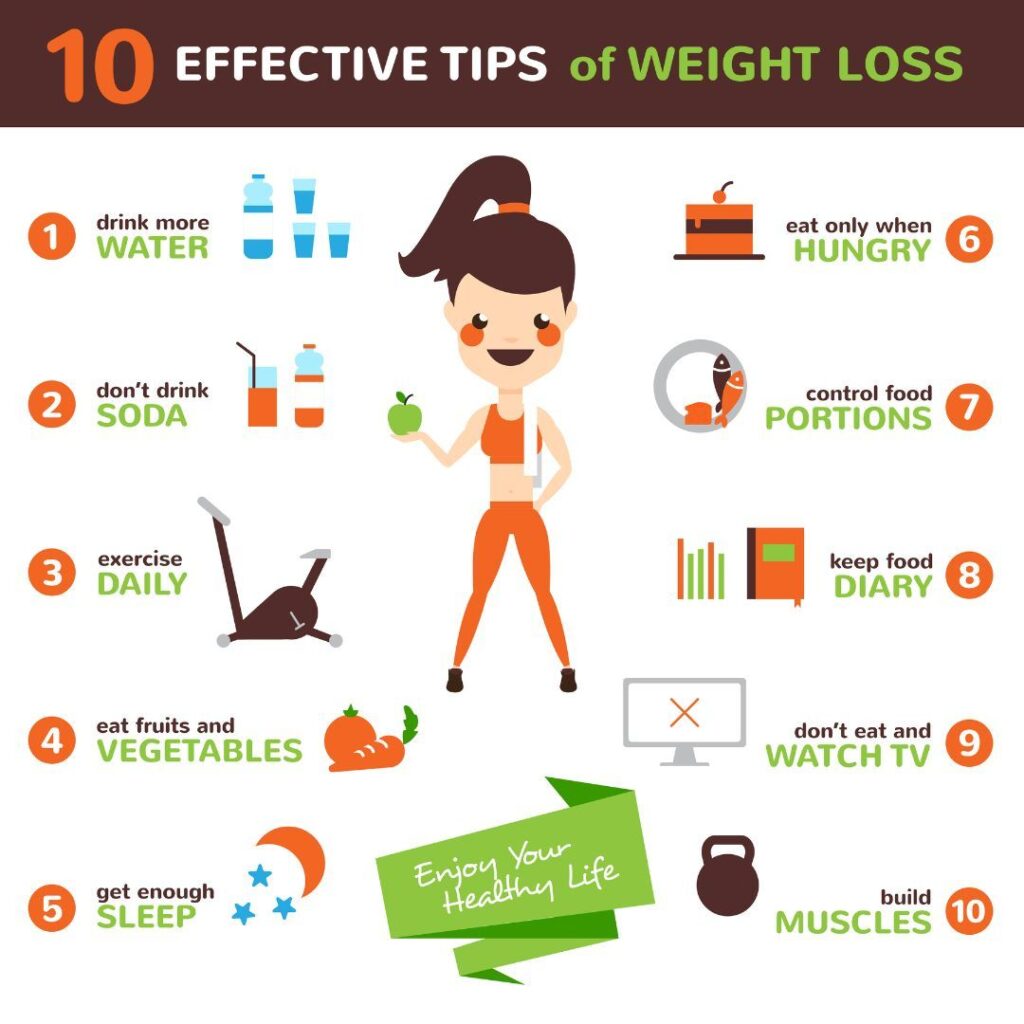
The Complete Weight Loss Guide: How to Lose Weight Safely and Sustainably
This article was reviewed for medical accuracy and reflects current evidence-based health guidelines.
If you’ve ever tried to lose weight and felt confused, frustrated, or overwhelmed—you’re not alone. As a health-focused guide, this article is built on medical principles, metabolic science, and real-world behavior change, not trends or extreme promises.
Sustainable weight loss is less about willpower and more about how your body regulates energy, hormones, and habits. Let’s walk through what actually works—and why.
1.Understanding Weight Loss: The Medical Basics
From a medical perspective, weight loss occurs when the body uses more energy than it receives from food—a state called a calorie deficit. But this process is regulated by hormones, muscle mass, sleep, stress, and nutrition quality.
Healthy weight loss prioritizes:
- Fat loss while preserving muscle
- Hormonal balance (insulin, leptin, ghrelin)
- Metabolic health, not just scale weight
- Consistency over intensity
 Clinically realistic expectation:
 0.5–1 kg (1–2 lbs) per week
This rate minimizes muscle loss and reduces metabolic slowdown.
Rapid weight loss often leads to rebound weight gain and hormonal disruption.
2. Nutrition: Supporting Metabolism, Not Fighting It
Eat Fewer Calories—But With Purpose
Medically speaking, severe calorie restriction increases stress hormones and slows resting metabolic rate. Instead of eating less food, focus on eating more nutrient-dense food.
Prioritize:
- Lean protein (supports muscle and satiety): chicken, fish, eggs, tofu
- High-fiber vegetables (gut health + fullness): broccoli, spinach, peppers
- Complex carbohydrates (stable blood sugar): oats, brown rice, quinoa
- Healthy fats (hormonal health): olive oil, avocado, nuts
Protein and fiber are especially important for regulating hunger hormones.
Common Clinical Nutrition Mistakes
❌ Sugary drinks (cause insulin spikes)
❌ Ultra-processed foods (low satiety, high calories)
❌ Eating too little (signals starvation to the body)
The Evidence-Based Plate Method
- ½ vegetables
- ¼ protein
- ¼ carbohydrates
This approach improves blood sugar control and calorie awareness without tracking or restriction.
3. Exercise: Beyond Calories Burned
Exercise is not just a tool for burning calories—it is a medical intervention that improves insulin sensitivity, cardiovascular health, bone density, and mental health.
Most Effective Exercise Types for Fat Loss
- Walking – improves metabolic health and cortisol regulation
- Strength training – preserves muscle and increases resting metabolism
- HIIT – improves insulin sensitivity efficiently
- Cycling or swimming – joint-friendly and cardiovascularly effective
🩺 Medical recommendation:
👉 150–300 minutes of moderate activity per week
👉 Strength training at least 2 days/week
Muscle preservation is critical—loss of muscle slows long-term fat loss.
4. Hydration and Sleep: The Overlooked Medical Pillars
Hydration and Appetite Control
Even mild dehydration can increase perceived hunger and fatigue.
Adequate hydration:
- Reduces false hunger signals
- Supports digestion and kidney function
- Improves exercise performance
💧 Aim for 2–3 liters per day, more if physically active.
Sleep: A Hormonal Necessity
Sleep deprivation increases:
- Ghrelin (hunger hormone)
- Insulin resistance
- Cravings for high-calorie foods
😴 Aim for 7–9 hours per night
This is not optional—it is metabolic medicine.
5. Mindset: Weight Loss as a Biological Process
Weight loss is not linear. Plateaus are normal and often reflect hormonal adaptation, not failure.
Shift your focus to:
✔️ Health markers, not perfection
✔️ Habits over motivation
✔️ Long-term metabolic health
Track progress beyond the scale:
- Energy and mood
- Waist and hip measurements
- Physical strength
- Blood markers (if available)
6. Common Medical Weight Loss Mistakes
🚫 Skipping meals (raises stress hormones)
🚫 Fad diets (nutrient deficiencies)
🚫 Excessive cardio (muscle loss risk)
🚫 Daily weighing (psychological stress)
🚫 Expecting fast results (biologically unrealistic)
Sustainable weight loss is often quiet, steady, and unexciting—and that’s exactly why it works.
7. A Sample Medically Balanced Daily Routine
Morning
- Protein-rich breakfast (stabilizes blood sugar)
- 10–20 minute walk (improves insulin response)
Midday
- Balanced lunch using plate method
- Hydration throughout the day
Evening
- Strength or light cardio workout
- Light, protein-focused dinner
Night
- No screens 60 minutes before bed
- Consistent sleep schedule
8. Final Thoughts: Weight Loss as Preventive Healthcare
Weight loss isn’t about shrinking your body—it’s about reducing disease risk, improving metabolic health, and increasing quality of life.
Forget extremes. Build habits that respect your biology, support your hormones, and fit into your life.
Remember:
You’re not just losing weight—you’re investing in long-term health.
📚 Medical References & Citations
- Hall KD et al. (2016). Energy balance and its components. The American Journal of Clinical Nutrition.
- Hall KD et al. (2019). Ultra-processed diets cause excess calorie intake and weight gain. Cell Metabolism.
- Donnelly JE et al. (2009). Appropriate physical activity intervention strategies for weight loss and prevention. Medicine & Science in Sports & Exercise.
- Spiegel K et al. (2004). Sleep curtailment and metabolic hormones. Annals of Internal Medicine.
- Dennis EA et al. (2010). Water consumption increases weight loss. Obesity.
- Müller MJ & Bosy-Westphal A. (2013). Adaptive thermogenesis with weight loss. Obesity Reviews.
- World Health Organization (WHO). Obesity and overweight guidelines.
- National Institutes of Health (NIH).Clinical guidelines on the identification, evaluation, and treatment of overweight and obesity.
The information provided in this article is for educational purposes only and is not intended as medical advice. While this content has been reviewed for accuracy, it should not be used as a substitute for professional diagnosis or treatment. Always seek the advice of your physician or another qualified healthcare provider with any questions regarding a medical condition or before making significant lifestyle changes.
Last Updated: January 2026
We’ve prepared an up-to-date comparison of leading GLP-1 weight-loss providers, reviewed for safety, availability, and care model
All GLP-1 medications require a prescription and medical supervision.
Information is for educational purposes only and is not medical advice.

 DISCLAIMER